


Key Takeaways
- Analysts predict worldwide hyperscale AI capital expenditures may surpass $1 trillion by 2027
- Aggregate investment for 2026 is projected at $800–$900 billion, representing a 67% annual increase
- Major tech players including Microsoft, Amazon, Alphabet, and Meta elevated their 2026 capital spending forecasts following first-quarter reports
- Escalating hardware expenses, particularly memory component costs, are primary factors fueling spending growth
- Semiconductor manufacturers like Nvidia and infrastructure suppliers are identified as primary beneficiaries
The world’s largest technology companies are preparing unprecedented investments in artificial intelligence infrastructure, with financial analysts now anticipating aggregate hyperscale capital spending could breach the $1 trillion mark in 2027.
Following first-quarter earnings announcements from Alphabet, Amazon, Microsoft, and Meta, both Bank of America and Evercore projected 2027 capital expenditures exceeding $1 trillion. Current estimates for 2026 range from $800 billion to $900 billion.
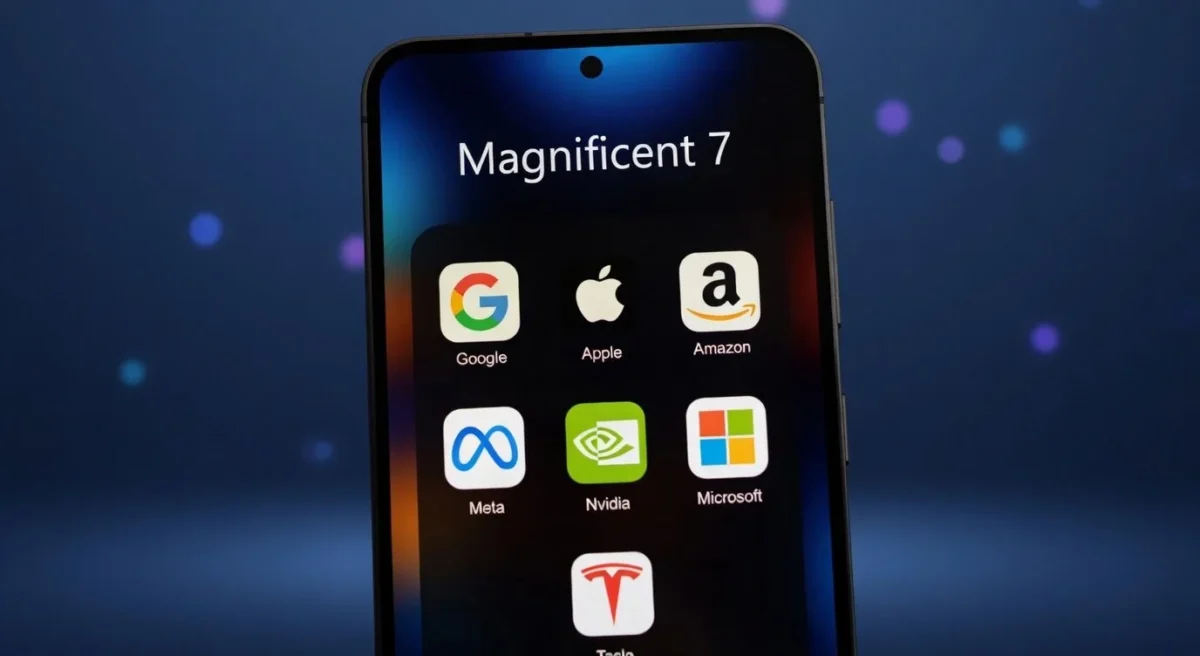
Microsoft elevated its 2026 capital spending projection to $190 billion, marking a 24% increase from its previous $154 billion estimate. Amazon maintained its $200 billion commitment. Alphabet boosted its forecast by 4% to $185 billion, while Meta expanded its range to $125–$145 billion from the earlier $115–$135 billion guidance.
Microsoft attributed $25 billion of its increased capital allocation directly to elevated component pricing. Meta’s Chief Executive Mark Zuckerberg identified memory pricing as the predominant driver of the company’s spending increase.
Meta experienced a dramatic decline in free cash flow, plummeting to $1.2 billion in the first quarter from $26 billion during the corresponding period last year. Jefferies analysts suggested Meta “likely remains in the penalty box pending clearer capex ROI.”
Alphabet delivered more robust performance. Cloud revenue jumped 63% year-over-year, propelling shares approximately 10% higher. Google’s backlog expanded 400% annually, reaching $462 billion.

AI-Generated Revenue Expands Alongside Investment
Microsoft disclosed an annualized AI revenue run-rate exceeding $37 billion, reflecting a 123% year-over-year surge. Amazon’s AWS division recorded its strongest growth rate in over three years at 28%, propelled by AI workload demand.
Alphabet currently processes more than 16 billion Gemini tokens each minute. Its search division expanded 19%, supported by AI-enhanced query capabilities.
Jefferies analysts observed that despite rising capital expenditures, “margin leverage holds for the hyperscalers,” citing approximately $2 trillion in accumulated backlog and accelerating cloud expansion as validation of investment returns.
Semiconductor Industry Poised for Major Gains
The capital spending wave represents significant opportunity for chip manufacturers. RBC Capital Markets identified Nvidia, Micron Technology, Marvell, Arm Holdings, and Astera Labs among companies favorably positioned.
Intel delivered solid first-quarter results. Evercore analysts highlighted increasing demand for specialized processors including TPUs, Trainium, and Maia chips, characterizing it as a potential “CPU renaissance.”
AI demand is also fueling double-digit expansion in wafer fabrication production, according to RBC analysis.
Supply constraints for premium AI computing resources are anticipated to persist throughout 2026. BofA analysts noted that robust customer commitments and improving free cash flow across the technology sector should sustain the historic investment trajectory.
