


Key Takeaways
- Elon Musk claims he conceived OpenAI, assembled its initial team, and provided all early capital
- The billionaire is pursuing legal action against OpenAI, Sam Altman, and Greg Brockman for allegedly betraying the nonprofit vision
- Musk demands $150 billion in damages, with funds designated for OpenAI’s nonprofit division
- Defense attorneys contend Musk sought absolute authority over the organization and filed suit after being denied
- The presiding judge cautioned Musk about inflammatory social media activity, including calling Altman “Scam Altman”
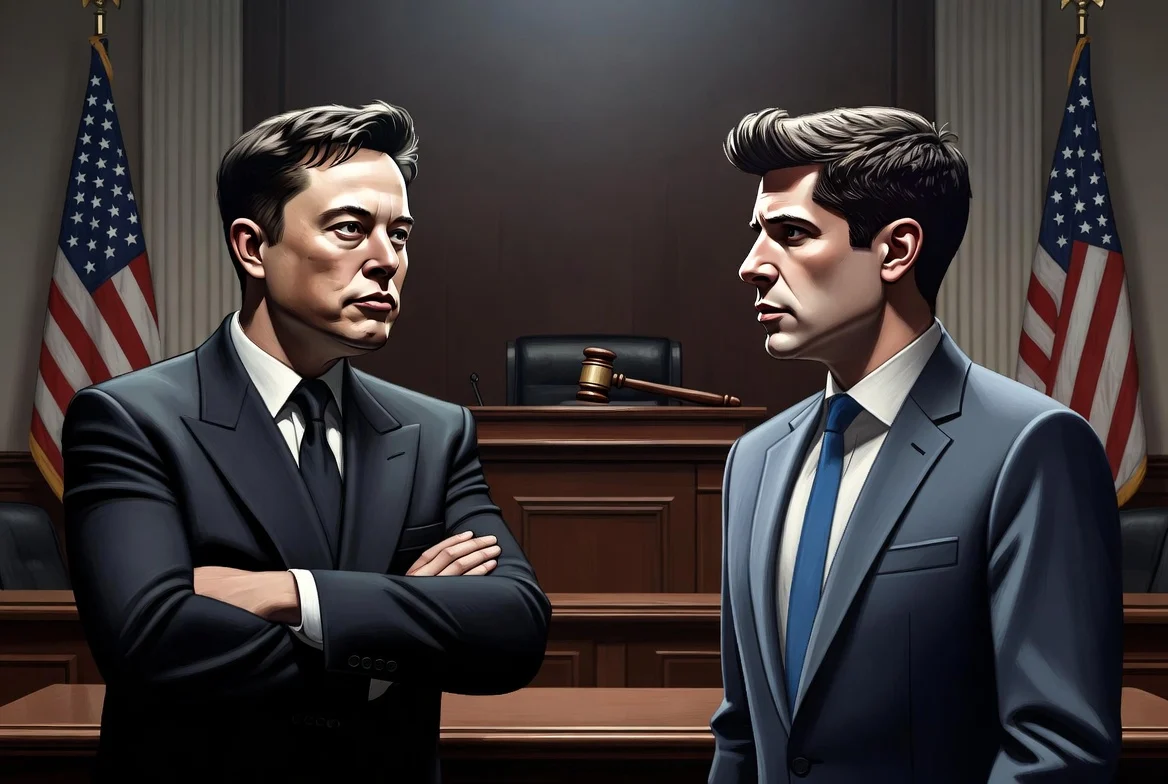
Elon Musk appeared in a San Francisco federal courtroom Tuesday to give testimony in his legal action against OpenAI and its top executives Sam Altman and Greg Brockman. The proceedings focus on allegations that OpenAI violated its founding commitment to operate as a nonprofit organization serving the public interest.
In his testimony, Musk asserted he conceived the OpenAI concept, assembled its founding team members, and supplied all initial capital. “I came up with the idea, the name, recruited the key people, taught them everything I know, provided all of the initial funding,” he stated under oath.
He emphasized the intentional decision to establish a nonprofit structure. “It was specifically meant to be for a charity that does not benefit any individual person,” he explained. “I could’ve started it as a for-profit and I specifically chose not to.”
Musk positioned the litigation as protecting the integrity of American philanthropy. “If we make it OK to loot a charity, the entire foundation of charitable giving in America will be destroyed,” he declared.
His legal demands include $150 billion in compensation from OpenAI and Microsoft, with those funds redirected to OpenAI’s charitable division. Additionally, he seeks Altman’s removal from the board and restoration of the company’s nonprofit designation.
Defense Presents Alternative Narrative
OpenAI’s chief counsel William Savitt presented jurors with a contrasting account. He argued that Musk endorsed transitioning to a for-profit structure, contingent on maintaining personal control. After being rebuffed, Musk established his competing venture, xAI, in 2023.
“What he cares about is Elon Musk being on top,” Savitt argued. “We are here because Mr. Musk didn’t get his way.”
Savitt further alleged that Musk showed little genuine concern for AI safety protocols, having reportedly dismissed safety-focused OpenAI staff as “jackasses.”

Defense counsel explained that establishing a for-profit subsidiary in 2019 became essential to remain competitive with Google’s DeepMind division and secure elite research talent.
Court Addresses Social Media Conduct
Prior to hearing testimony, U.S. District Judge Yvonne Gonzalez Rogers directly confronted Musk regarding posts on X, where he labeled Altman “Scam Altman” and alleged charitable fund misappropriation.
While declining to impose a formal gag order, the judge strongly advised Musk to curtail his online commentary throughout the trial proceedings. Musk consented to the request. Altman similarly agreed to comparable restrictions.
Microsoft’s legal representative Russell Cohen defended the tech giant’s role, stating the company served as “a responsible partner every step of the way.” Microsoft committed $10 billion to OpenAI in January 2023.
Musk’s testimony included references to discussions with Google co-founder Larry Page, who Musk claimed dismissed legitimate AI safety concerns.
OpenAI’s current market valuation exceeds $850 billion. Industry analysts suggest a public offering could elevate that figure to $1 trillion.
Musk’s testimony will resume Wednesday. Both Altman and Microsoft CEO Satya Nadella are scheduled to take the witness stand.
