


Key Takeaways
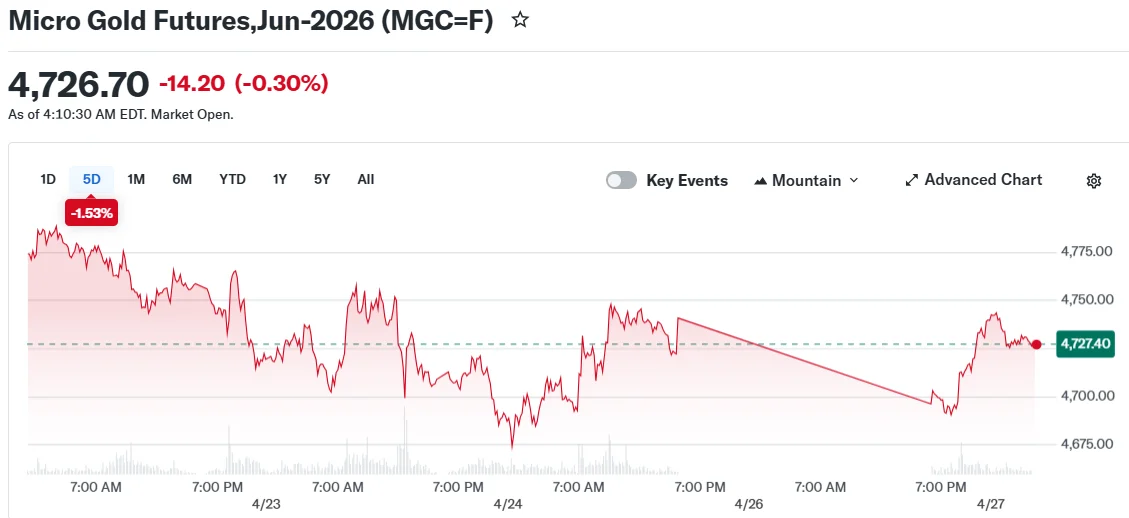
- Gold maintained a narrow trading band of $4,700–$4,730/oz following the collapse of weekend diplomatic efforts between Washington and Tehran
- Tehran presented a fresh framework proposal focusing on Strait of Hormuz reopening while postponing nuclear discussions
- The precious metal has declined approximately 11% since tensions escalated in late February
- Market consensus anticipates the Federal Reserve will maintain current interest rates at this week’s policy meeting
- Fed Chair nominee Kevin Warsh informed lawmakers he has not pledged any future rate reductions
Precious metal markets demonstrated limited movement Monday as diplomatic channels between Washington and Tehran remained frozen, keeping energy sector participants on edge while investors positioned themselves ahead of critical Federal Reserve deliberations.
The spot gold market registered $4,714.83 per ounce during Asian trading sessions, exhibiting minimal volatility as market participants evaluated Tehran’s latest diplomatic overture against the backdrop of sustained regional friction.
Tehran forwarded a revised framework to Washington during the weekend, as detailed in reporting from Axios. The new initiative centers on restoring access through the Strait of Hormuz while deferring conversations regarding Iran’s nuclear ambitions to future negotiations.
This diplomatic gesture provided temporary optimism to financial markets. However, underlying geopolitical tensions remained unchanged. President Donald Trump withdrew plans for diplomatic envoys Jared Kushner and Steve Witkoff to visit Pakistan, a nation that has been facilitating mediation efforts.

President Masoud Pezeshkian of Iran declared that Tehran would refuse “imposed negotiations under threats or blockade.” Representatives from both Washington and Tehran departed Pakistan without engaging in direct discussions.
The critical Strait of Hormuz waterway has remained largely inoperative for eight weeks, affecting approximately 20% of global petroleum transportation. The maritime standoff persists from both nations, with neither side demonstrating willingness to concede ground.
Oil prices experienced upward momentum Monday morning before moderating following the Axios disclosure. The ongoing energy supply disruption has intensified inflationary pressures across global economies.
Elevated inflation increases the probability that monetary authorities will sustain higher borrowing costs over extended periods. This scenario creates challenging conditions for gold, which generates no income stream and loses appeal when interest rates remain elevated.
Challenging Territory for Gold Markets
Gold has experienced an approximately 11% decline since hostilities intensified at February’s conclusion. Market analysts indicate the sector currently lacks clear directional momentum.
Nicky Shiels, who leads research and metals strategy at MKS PAMP, characterized gold’s position as “technical no-man’s-land.” She noted that investor confidence remains fragile with substantial capital allocations staying inactive.
Dilin Wu, serving as research strategist at Pepperstone Group, acknowledged that Iran’s diplomatic framework has slightly reduced market anxieties. However, she cautioned that any price appreciation will likely prove temporary absent a definitive resolution pathway.
Federal Reserve Policy Decision Takes Center Stage
Financial markets are directing substantial attention toward the Federal Reserve this week. The monetary authority is broadly anticipated to maintain existing rate levels at its upcoming policy session.
This gathering is projected to be Jerome Powell’s final meeting as chairman, with his tenure concluding May 15. Trump’s selected successor, Kevin Warsh, informed congressional members last week that he has offered no assurances regarding future rate cuts.
Warsh’s confirmation process appears poised to advance following Republican Senator Thom Tillis’s decision to withdraw his objections. The Justice Department has additionally terminated its criminal investigation into Powell, which had faced widespread criticism.
Azerbaijan’s State Oil Fund liquidated approximately 22 tons of gold during the initial quarter, generating proceeds exceeding $3 billion. This marked the fund’s first gold reserve sale since initiating purchases in 2012.
Silver remained unchanged at $75.77 per ounce. Platinum advanced modestly while palladium demonstrated stability.
