


Key Highlights
- Deutsche Telekom currently controls 53% of T-Mobile and is now considering a complete merger between the two telecommunications companies.
- The proposed transaction could establish a combined entity valued at approximately $300 billion — possibly eclipsing the record-setting 1999 Vodafone-Mannesmann transaction.
- Shares of T-Mobile (TMUS) declined approximately 3.5% on Wednesday, while Deutsche Telekom shares fell about 5%.
- The proposed structure involves creating a new parent holding company that would extend an all-stock offer to shareholders of both entities, with dual listings in American and European markets.
- The transaction would require approval from regulatory bodies in Germany and the United States, along with political backing from both nations.
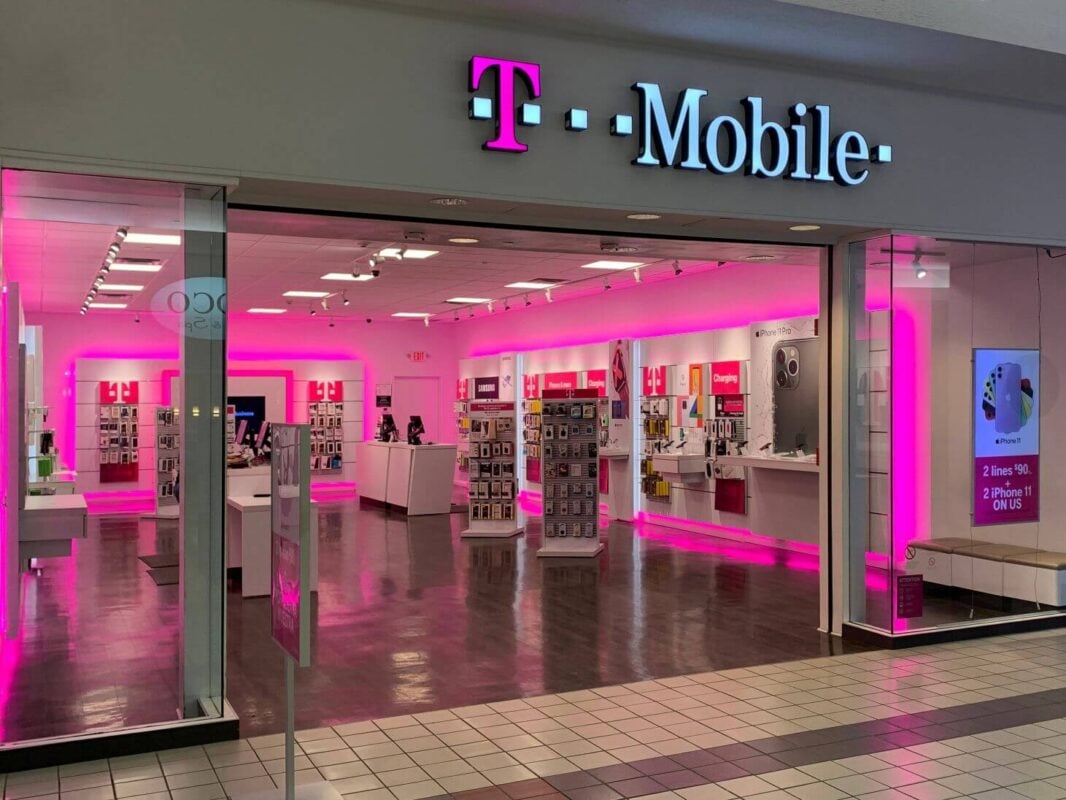
Deutsche Telekom is reportedly considering a comprehensive merger with T-Mobile US that could establish a new benchmark as the largest publicly traded merger in corporate history. According to Reuters, which cited two sources with knowledge of the discussions, these conversations remain in preliminary phases.
The German telecommunications powerhouse currently maintains a 53% ownership position in T-Mobile. According to reports, the proposed transaction structure would involve establishing a new holding entity that would extend an all-stock acquisition offer to both companies’ shareholders, with the combined organization trading on both U.S. and European stock exchanges.
The resulting corporation could achieve a market capitalization approaching $300 billion, serving more than 200 million wireless customers worldwide. This would position it as the planet’s most valuable telecommunications company.

Should the transaction close, it would exceed the $202.7 billion Vodafone-Mannesmann combination announced in 1999 — presently the largest public merger recorded, based on LSEG data. Deutsche Telekom currently carries a market valuation of approximately $166 billion, compared to T-Mobile’s roughly $218 billion valuation.
T-Mobile stock decreased by approximately 3.5% Wednesday afternoon after Bloomberg published its report on the potential transaction. Deutsche Telekom shares dropped nearly 5%. T-Mobile had finished Tuesday’s trading session down 1.5% at $195.39.
Neither organization provided commentary on the reports. T-Mobile stated it does not respond to “speculation regarding corporate activity.” Deutsche Telekom similarly indicated it does not address “rumors and speculation.”
Regulatory Challenges Loom Large
The proposed transaction faces significant regulatory obstacles. The German federal government, alongside state-owned development bank KfW, collectively control approximately 28% of Deutsche Telekom. A merger would dilute this ownership stake in the combined organization — potentially falling below the 25% ownership threshold that German officials have previously identified as necessary for “strategic businesses,” according to BNP Paribas analyst Sam McHugh.
Within the United States, the combination would almost certainly trigger both antitrust scrutiny and national security assessments. New Street Research policy adviser Blair Levin suggested the transaction faces low probability of outright rejection, though regulatory examinations provide authorities leverage to extract concessions. FCC Chairman Brendan Carr would represent a crucial decision-maker in this process.
William Kovacic from George Washington University’s Competition Law Center observed that Deutsche Telekom’s existing controlling interest probably diminishes antitrust concerns from U.S. regulators.
The current geopolitical environment complicates matters further. Germany and the United States are managing complicated relations involving trade tariffs and broader geopolitical friction, potentially making such a transaction politically delicate.
Strategic Rationale Behind the Talks
T-Mobile has evolved into a critical component of Deutsche Telekom’s consolidated financial results. The American telecommunications market provides superior growth opportunities relative to Europe, where telecom operators contend with fragmented markets and substantial debt burdens.
Morgan Stanley analysts noted that the scale of a consolidated organization could facilitate additional acquisitions and enhance capital market access. PP Foresight analyst Paolo Pescatore characterized T-Mobile as the “engine” powering Deutsche Telekom, suggesting the genuine attraction of consolidation lies in obtaining complete control while maintaining T-Mobile’s favorable valuation trajectory.
T-Mobile CEO Srini Gopalan formerly held the CEO position at Deutsche Telekom. Deutsche Telekom CEO Timotheus Hoettges currently serves as chairman of T-Mobile’s board of directors.
T-Mobile shares have declined approximately 25% over the past twelve months. Deutsche Telekom has decreased roughly 10% during the same timeframe.
